

Week 1 - Starting Strong
- Posted on
- By Jen Mosson - Greenhouse Manager
- Posted in Seed Starting Series
- 0
A clear, beginner-friendly guide to reading seed packets so you can confidently choose the right varieties for your climate, space, and growing goals.
How to Choose the Right Seeds
Set the foundation: How to read seed packets and choose what works for your climate and goals
Let’s be honest — choosing seeds can feel a little overwhelming. There are so many varieties. And if you’re anything like me, you might choose seeds the same way you choose wine… based on the pretty picture on the package.
No judgment here.
But if you’ve ever gotten home and thought, “Wait… what did I just buy?” — this guide will help you understand what’s actually inside that packet and how to give your seeds the best possible start.
The Front of the Package: The Quick Snapshot
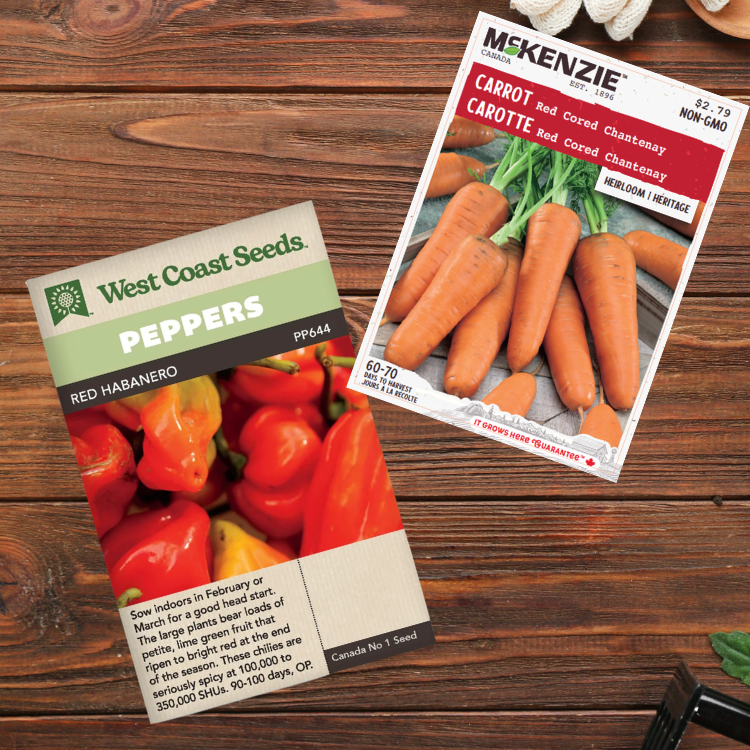
Every seed company designs their packets a little differently, but most give you helpful highlights right on the front.
For example:
• McKenzie Seeds often lists days to harvest and whether it’s an heirloom variety right on the front.
• West Coast Seeds usually includes germination percentage, days to maturity, and a short description.
Think of the front as the “movie trailer.” It gives you the big picture before you flip it over for the details.
The Back of the Package: Where the Magic Is
The back of the packet is where the real information lives. This is your planting cheat sheet.
Here you’ll find:
• When to plant (timing)
• How deep to plant the seed
• How far apart to space them
• Whether to start indoors or direct sow outside
• Extra growing tips
Some seeds can go straight into the garden. Others need to be started indoors so they have enough time to mature — and that’s where understanding days to maturity becomes important.
What Does “Days to Maturity” Mean?
Days to maturity is an estimate of how long it takes a plant to grow from planting to harvest.
This helps you:
• Plan when to start seeds
• Decide whether to start indoors
• Compare varieties
And here in Manitoba, this really matters. We don’t have as many growing days as some warmer regions, so choosing a variety that matures faster can make all the difference.
Seed Depth and Spacing (Don’t Skip This!)
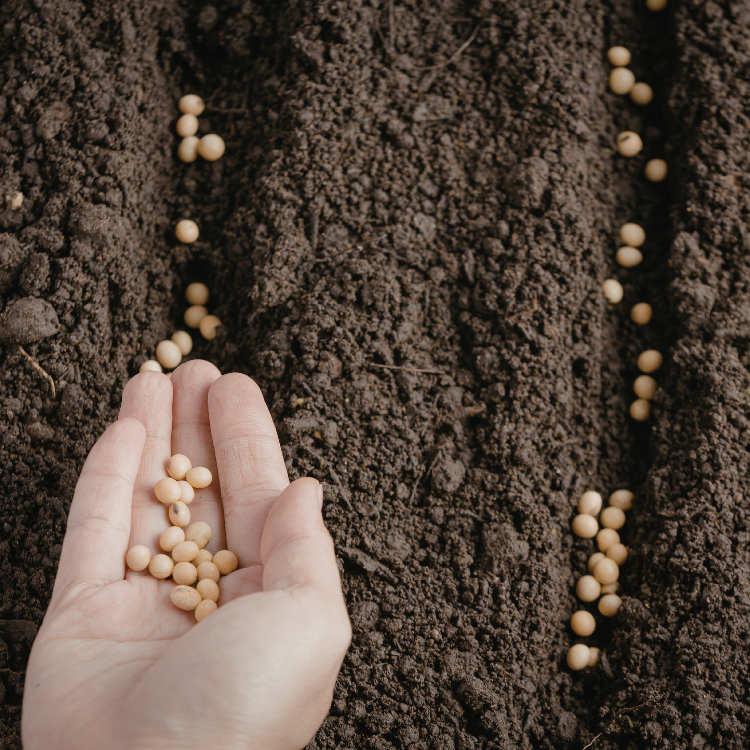
Seed depth tells you how deep to plant the seed.
Spacing tells you how far apart they should be.
Simple — but important.
If you’re planting in:
• A large tray filled with soil → Follow both the depth and spacing recommendations.
• Plug trays (one seed per cell) → Just focus on planting at the correct depth since spacing is already built in.
Planting too deep or too close together can affect how well your seeds grow — so this part is worth paying attention to. We will go over this more in the following weeks.
Heirloom vs Hybrid: What’s the Difference?
This is one of the most common questions gardeners have.
Heirloom
An heirloom variety has been grown consistently for over 50 years. It’s not patented and is known for specific qualities like flavour, texture, and aroma.
If you grow an heirloom tomato today, it should taste very similar to the same variety grown 50 — even 150 — years ago.
Gardeners love heirlooms for their history, flavour, and ability to save seeds.
Hybrid (F1)
A hybrid is created when pollen from one plant variety fertilizes a different variety. The resulting seed (called an F1 hybrid) produces a plant with characteristics from both parents.
Hybrids can offer:
• Better flavour
• Shorter growing season
• Cold hardiness
• Disease resistance
Not all hybrids outperform heirlooms — but in our growing area, some hybrid varieties can actually produce higher-quality food than open-pollinated options.
The key is knowing what works best for your garden and your goals.
What Does “Germ” or “Germination Rate” Mean?
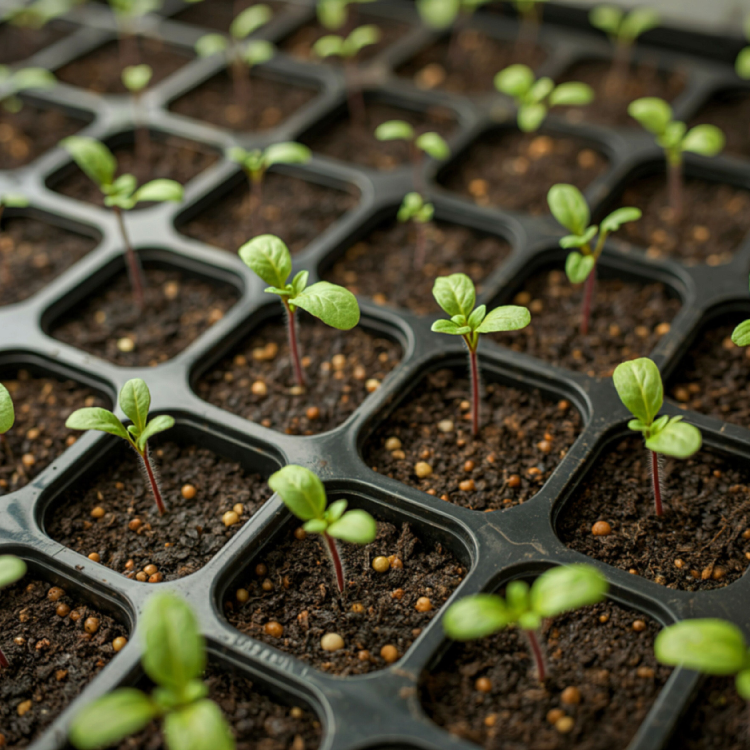
“Germ” is short for germination.
Some seed companies list a germination percentage, which tells you how many seeds out of 100 are expected to sprout under ideal conditions.
For example:
• 95% germination means about 95 out of 100 seeds should grow.
Seed companies test this in controlled environments. Keep in mind:
• Germination rates decrease over time.
• Fresher seeds usually sprout better.
If you’re working with older seed, you might want to plant a few extra — just in case.
Choosing the Right Seeds for You
Before you grab every beautiful packet on the shelf, ask yourself:
• How much space do I have to start seeds?
• Do I need to start this indoors?
• Where will this live in my garden?
• Do I have enough growing days for this variety?
Choosing the right seeds isn’t about buying the prettiest packet (although we’ve all done it). It’s about setting yourself up for success right from the start.
Follow along each week as we share more tips to help you feel confident and successful with your seeding.
Next week, we’ll take a deeper look at timing — and exactly when you should get started.
Happy planting
Comments
Be the first to comment...